Best Time to visit Nanjing
It’s quite easy to work out the best time of year to visit Nanjing. It’s a city of two long seasons and two short seasons. I’ve lived in Nanjing for more than six years now. It’s a city I’ve come to really know through all the seasons—especially the intensely hot summer.
Being right alongside the Yangtze River, Nanjing can get very humid, and you feel it throughout the year in different ways. The humidity shapes a lot of how people live here, especially in summer and winter.
Visiting Nanjing in Winter
Winter in Nanjing can feel surprisingly cold, even though the temperatures on paper might not seem that extreme. It often hovers around 5-10 degrees, but because of the humidity, it goes right through your clothes.
It’s that damp cold that settles into your bones. There’s not much central heating in homes or buildings, so staying warm becomes about layers, space heaters, air con and those electric blankets everyone seems to use. I was lucky enough to have heated flooring over the last few winters and that made all the difference, keeping both me and my cats and dog warm too.
You get used to warming your hands on a cup of tea or huddling under thick blankets to work or watch something in the evenings.
What makes winter a little easier is the fact that it’s usually quite dry. Outside of the summer rainy season, sometimes it won’t rain at all for weeks on end. The air feels crisp, but your skin gets dry, and you’ll see people wearing masks or carrying mini humidifiers to help with the dryness.
Does it snow in Nanjing?
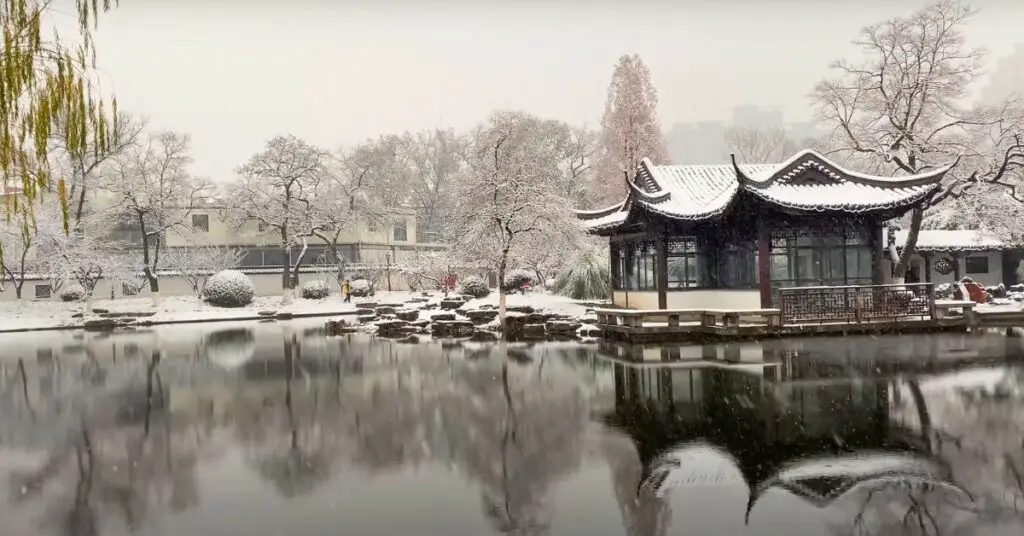
Here is a video I made in the snow, showing how beautiful Nanjing looks.
I’ve seen snow maybe three or four times during my six years here. When it does snow, it’s beautiful—gentle flakes settling on the rooftops and trees, usually melting quickly. It’s rare enough that everyone stops to take pictures, especially in traditional parks or near the old city wall. It gives the city a different kind of quiet feeling. But snow never sticks around long. It’s like a brief visit from winter, then it’s gone.
Summer in Nanjing
Summer is definitely the most intense time of year. Starting from June and lasting well into September, the temperatures can rise to between 30 and 40 degrees Celsius. It’s not just hot—it’s humid too, and that’s what makes it so tough.
The air feels heavy, and even just walking outside for a few minutes can leave you drenched in sweat. If you forget to carry a small towel or a fan, you’ll probably regret it. I mostly just stay indoors and head out after dark or early in the morning. During the day it’s best to travel in a car so you can put the air con on or head into one of Nanjing’s modern shopping malls. Trying to visit tourist attractions in the summer is a challenge.
Rainy Season in Nanjing
In late June or early July, the rainy season arrives. That’s when the weather becomes even more unpredictable. Some days it just drizzles a little, often in the afternoons or evenings. But then there are days when it suddenly turns into a full-on tropical rainstorm—thick, sideways rain that soaks you in seconds. I’ve been caught out more than once walking Teeny, my corgi.
We’ll be halfway through a walk and then suddenly the sky just opens up. We both get absolutely soaked, and Teeny, being low to the ground, ends up looking like a soggy mop. She doesn’t mind it as much as I do, but we always rush home and end up with wet paw prints everywhere.
Nanjing Yangtze River in the rainy season
Here is a video I took during the summer rainy season in Nanjing, you can see the water levels along the Yangtze River have risen a lot.
One thing I love about summer here, though, is seeing the water levels rise in the Yangtze River. It’s something I never thought much about before moving to Nanjing, but now it’s a yearly ritual to watch the river swell. By mid-summer, it’s risen many metres—sometimes 7 to 10 metres higher than in spring.
The transformation is dramatic compared with winter when I walk out 20 or more metres into then river bed. Low-lying areas near the river get completely swallowed by water. Some of the riverbank parks, like those around Jiangxinzhou or the Green Expo Garden in Jianye District, often end up flooded. It’s strange to walk there in spring and early summer, and then return a few weeks later to see the same walkways and lawns completely underwater.
The Green Expo Garden is especially interesting. It’s part tourist attraction, part event space, but it’s also been built in the floodplain. So every summer, sections of it go underwater. They’ve designed it that way, knowing that the Yangtze always rises. The trees and pathways are built to handle the floods, and once the water recedes, people are out there walking, jogging, and biking again like nothing happened.
The rainy season also affects the mood of the city. Streets feel quieter. People move a little slower, often with umbrellas in hand even when it’s not raining, just in case. In the afternoons, shops and cafés fill up with people ducking in from the sudden downpours. It’s very normal to hear thunder rumbling far away, even on days that start off sunny.
In summer, most people try to stay indoors as much as possible. Air conditioning becomes a necessity—not a luxury. Without it, it’s hard to sleep, work, or even eat comfortably. You’ll see families gathering in air-conditioned malls, especially during the hottest part of the day. Cafés are full of people reading, chatting, or working, just enjoying the cool air.
At night, it stays hot well past midnight, and the city comes alive again with people going for walks, kids playing in plazas, or couples sitting by the river just trying to catch a breeze.
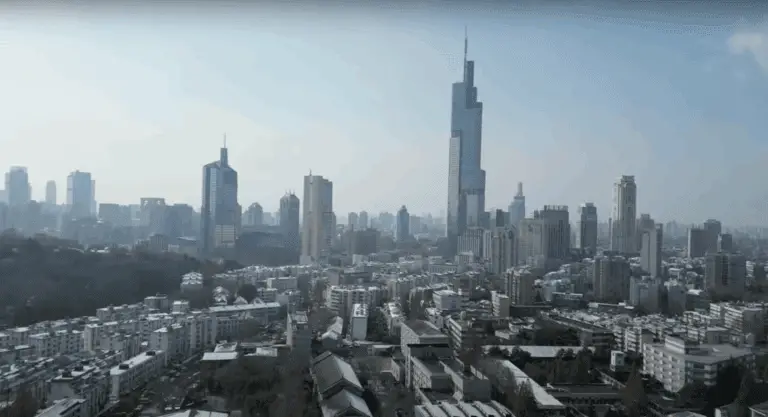
The air pollution tends to be lower in summer, which is one nice thing. When there’s been rain, the sky sometimes clears up and you get these incredible views—especially from the hills around Purple Mountain or down by the riverbank. The sunset reflects on the wide Yangtze River, and the city skyline glows in the humidity.
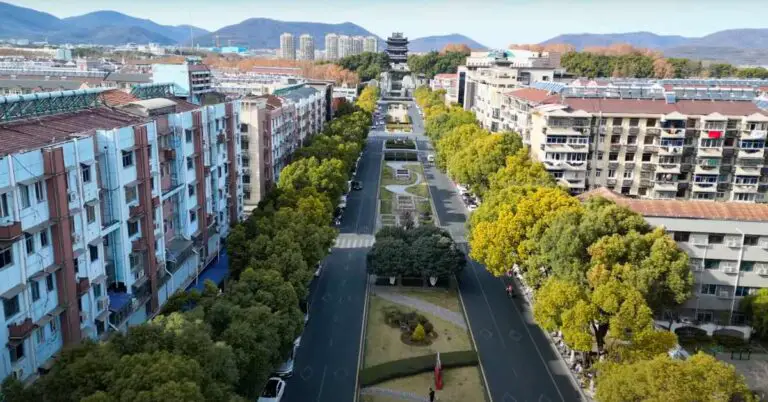
Spring and autumn are much shorter in comparison, but they’re probably the best times of year in terms of comfort. Spring brings fresh green leaves, flowers everywhere, and a feeling of newness in the air. It can be rainy too, but the temperatures are just right. Autumn is cooler, golden, and dry. You get a few perfect weeks where it’s sunny, breezy, and warm enough to sit outside but cool enough to wear a light jacket.
Locals often say it’s the best season for climbing hills, going for hikes, or just spending time in the parks. It’s also when you can enjoy the osmanthus trees blooming—tiny flowers with a sweet smell that drift through the air around September and October. The scent is lovely and reminds you that cooler days are coming.
Living in Nanjing means living with the seasons in a very real way. The weather changes how people move, how the city feels, and even what you eat. In winter, hotpot and spicy soups are everywhere. In summer, it’s cold noodles, watermelon, iced green tea, and anything that feels cooling.
You adapt to it all, year after year, and it becomes a rhythm. The floods, the snow, the heavy heat—each has its moment. And over time, those moments become part of your own story, too.
Frequently Asked Questions
What’s the best month to visit Nanjing?
Most people agree that late March to early May and mid-September to early November are the best times to visit. These months avoid the extreme summer heat and the cold, damp winters. The weather is mild, flowers are blooming in spring, and the tree-lined streets turn golden in autumn.
Is Nanjing too hot in summer?
Yes. July and August in Nanjing are brutally hot and humid, with temperatures often climbing over 35°C (95°F) and real-feel temps even higher. If you do visit during summer, plan for indoor sightseeing during the day and evening walks when it’s cooler. Always carry water—and maybe a fan! Locals often use UV protection Umbrellas to avoid the intense sunlight, or they just hide away in the many shopping malls here.
Is Nanjing worth visiting in winter?
That depends. Winters in Nanjing are short but bone-chilling thanks to the humidity. While it rarely snows, it often feels colder than the actual temperature. That said, winter can be quieter and atmospheric, especially around the Qinhuai River at night. Just bundle up—homes and shops aren’t always well-heated. I’ve been lucky enough to see it snow here in winter a few times and then historic buildings look magical, as you can see in this video I made in the snow.
When is the rainiest season in Nanjing?
The rainy season usually runs from June to early July, known locally as the “plum rain” season. The humidity climbs, thunderstorms roll in, and streets get slick quickly. It’s not the most comfortable time to explore, but it’s part of the rhythm of summer here.
What festivals or events are worth planning around?
- Mid-Autumn Festival (Sept/Oct) – great for night markets and lanterns
- Qinhuai Lantern Festival (late Jan/early Feb) – beautiful lights along the river
- Spring cherry blossom season (March) – head to Jiming Temple or Xuanwu LakeTry to avoid national holidays like Golden Week (Oct 1–7) and Chinese New Year, unless you’re okay with big crowds and higher prices.
Are tourist attractions in Nanjing open year-round?
Yes, most of the major sites—like the Sun Yat-sen Mausoleum, Nanjing Museum, and Ming City Wall—are open all year. However, opening hours may be shorter in winter, and some scenic spots (like Purple Mountain) are best enjoyed in spring or autumn when the weather’s nicer. You should also avoid trying to visit any tourist attractions during the Chinese national Golden week holiday in October. Tourist attractions are insanely busy during this public holiday and you might not even get in.
Does Nanjing have air pollution issues?
It depends on the season. Winters tend to have worse air quality due to regional coal use and stagnant air. Summers are generally better, especially after rainfall. If you’re sensitive, check the AQI (Air Quality Index) on apps like AirVisual or WeChat mini programs before heading out. I have definitely noticed in the past 5 or 6 years air quality here as improved a lot and it doesn’t get smoggy often. I wrote about air pollution in Nanjing here.